

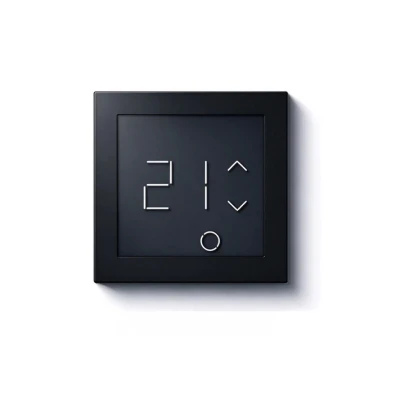
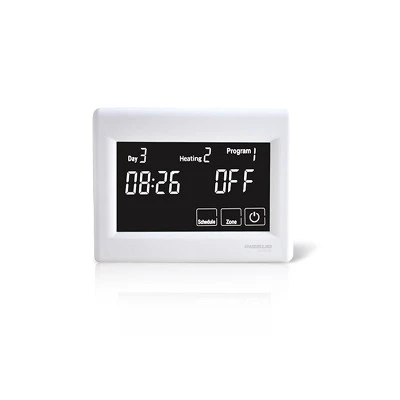
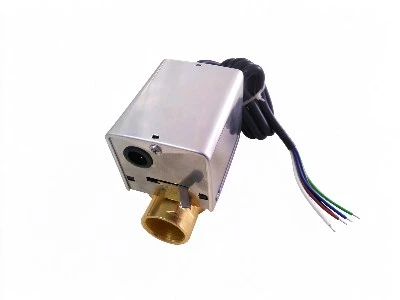
A thermostat is a switching device used to regulate the temperature within a room, typically maintaining it between 18°C and 28°C.
There are two primary control methods: vapor-pressure thermostats, which operate based on temperature changes in the object being cooled (or heated), and electronic thermostats, which function based on temperature differentials.
Depending on their intended use and functionality, thermostats are categorized into air-conditioning thermostats and heating thermostats. Based on communication methods, they can be classified as non-networked thermostats, RS-485 networked thermostats, wireless thermostats (such as those using LoRa or Wi-Fi), BACnet-compatible thermostats, or KNX room controllers.
In terms of intelligence and features, they are categorized into mechanical thermostats, LCD-based thermostats, programmable thermostats (e.g., those supporting 7-day weekly scheduling), and smart thermostats (which offer features like Wi-Fi connectivity, remote control, voice control, and energy-saving modes-such as open-window detection or vacation mode).
Common types include LCD-based and mechanical thermostats. LCD-based thermostats are frequently used in hotels, office buildings, shopping malls, and villas; they often support remote control and offer various operating modes, including cooling, heating, fan-only, and automatic settings. Mechanical thermostats are used in commercial, industrial, and residential buildings; they allow users to set the temperature via a dial and are designed for installation on standard electrical junction boxes.