

A solar control system consists of solar panels, storage batteries, a controller, and a load.
A solar controller is a device designed to manage the charging of storage batteries by photovoltaic (PV) panels and to regulate the voltage supplied to voltage-sensitive equipment (the load). It governs and controls the charging and discharging conditions of the batteries, and-based on the power requirements of the load-regulates the electrical output from the solar array and the batteries. As such, it serves as the core control component of the entire photovoltaic power supply system. It is specifically designed for power supply systems used in communication or monitoring equipment in remote areas. The controller's charging and load-control voltage thresholds are fully adjustable; it also provides displays for battery voltage, load voltage, solar array voltage, charging current, and load current.
Virtually all solar power systems that utilize storage batteries require a solar charge/discharge controller. The primary function of this controller is to regulate the power delivered from the solar panels to the batteries. Overcharging a battery significantly reduces its lifespan-in the worst-case scenario, it can damage the battery to the point of total failure.
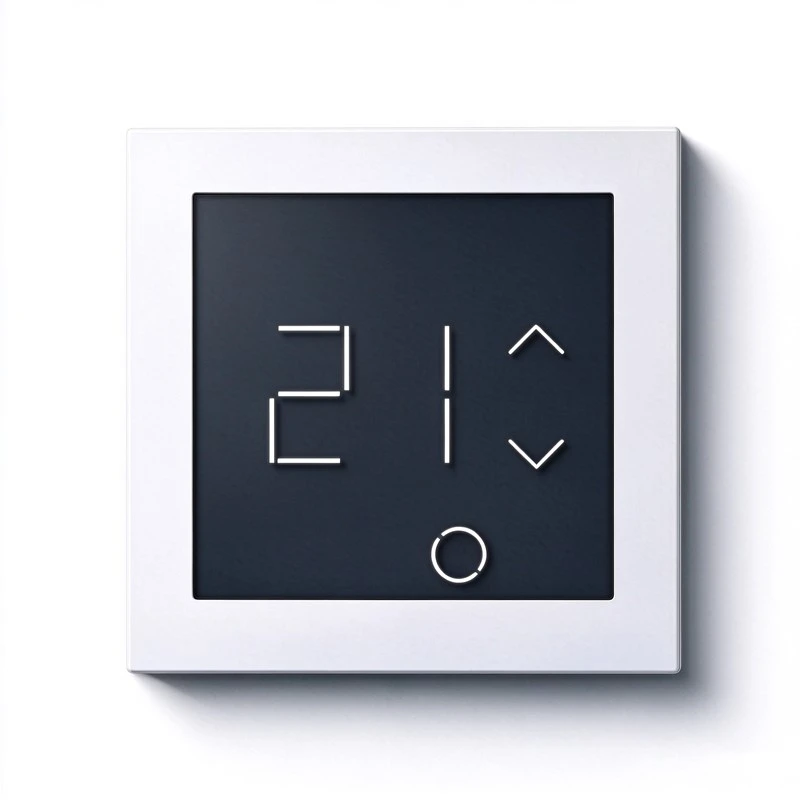
Equipped with a high-speed CPU microprocessor and a high-precision analog-to-digital (A/D) converter, the solar controller functions as a computerized data acquisition, monitoring, and control system. It enables real-time, high-speed collection of the PV system's current operating status, provides immediate access to operational data, and maintains a detailed history of the system. This data serves as a reliable and comprehensive basis for evaluating the design of the PV system and verifying the quality and reliability of its components. Furthermore, the solar controller supports serial data communication, allowing for centralized management and remote control of multiple PV system substations.
Solar controllers typically come in six nominal voltage ratings: 12V, 24V, 48V, 110V, 220V, and 600V.
Currently, solar controllers are evolving toward greater multifunctionality, with a growing trend toward integrating traditional control functions, inverters, and monitoring systems into a single unit.