
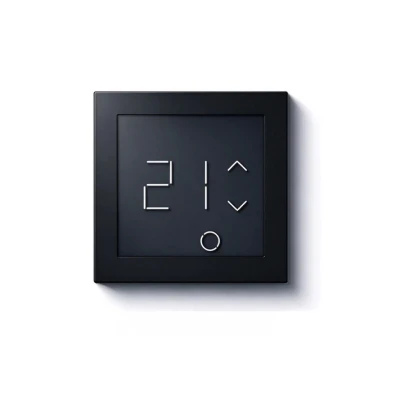
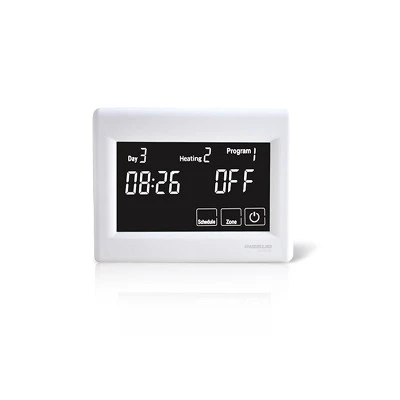
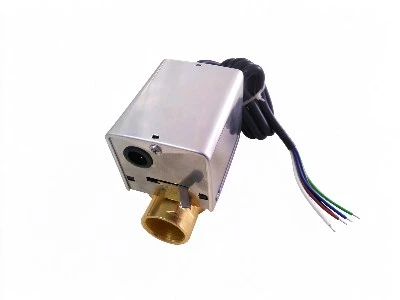
Controller parameters primarily encompass the following areas:
Operational Parameters
Operational parameters within a controller typically relate to the specific actions to be performed in a given application. These parameters are configured based on the specific requirements of the connected equipment or system. They include, but are not limited to, settings for operating duration, response frequency, and mode switching. Such parameters are essential for the proper functioning of the equipment and the execution of specific tasks, ensuring that the system operates according to predefined modes and conditions.
Input Signal Parameters
Controllers must receive input signals from sensors or other devices, necessitating the configuration of corresponding input signal parameters. These parameters pertain to aspects such as signal reception ranges, as well as methods for signal conversion and processing-for instance, defining the range for analog input signals or the encoding schemes for digital signals. Correctly configuring these parameters ensures that the controller can accurately acquire and process information regarding the status of the equipment and its environment.
Output Control Parameters
A primary function of a controller is to generate output control signals based on input signals and established logical rules, thereby driving the operation of actuators. Consequently, the configuration of output control parameters is critical. These parameters include the output range of control signals, signal frequency, and adjustment precision. Their settings directly influence the operational accuracy of the actuators and the overall control performance of the system.
Communication Parameters
In modern control systems, controllers often need to communicate with other devices or systems via a network to facilitate the exchange and sharing of information. Therefore, the configuration of communication parameters is a vital aspect of controller setup. This includes selecting communication protocols, setting baud rates, and assigning communication addresses. Proper configuration ensures seamless communication between the controller and other devices, enabling the entire system to function in a coordinated manner.
In summary, controller parameters span several categories-operational, input signal, output control, and communication. The configuration of these parameters directly impacts both the performance of the controller and the operational effectiveness of the connected equipment. Thus, the appropriate setting and optimization of controller parameters are key to ensuring the system operates correctly and meets its performance requirements.