

1. Reasons for Replacing a Floor Heating Thermostat
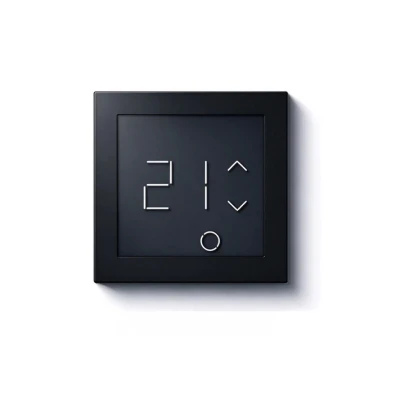
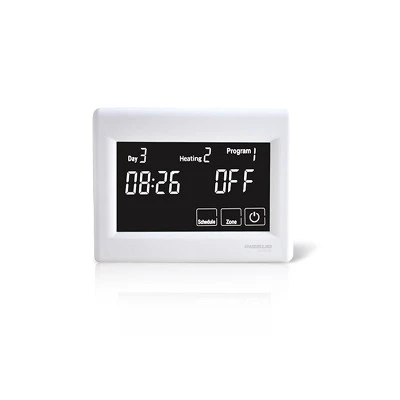
As an essential component of a floor heating system, the thermostat serves to regulate the heating temperature, adjust indoor air temperature, and promote energy efficiency. However, due to factors such as the duration of use, natural aging, or equipment malfunctions, it may become necessary to replace the thermostat. Specific reasons include:
(1) Service Life: Under normal conditions, a floor heating thermostat has a lifespan of 5–10 years. Beyond this period, its performance and stability tend to decline, making it prone to malfunctions.
(2) Equipment Aging: After prolonged use, internal components may age, leading to a degradation in electrical performance-manifesting as operational irregularities or unstable temperature control.
(3) Equipment Malfunctions: Due to environmental factors or human error, various types of faults may occur, such as a failed temperature sensor, a burnt-out transformer, or a faulty control board.
2. Procedure for Replacing a Floor Heating Thermostat
When a floor heating thermostat requires replacement, follow these steps:
(1) Determine the Correct Model: Identify the appropriate replacement model, ensuring it is compatible with the existing system and meets all requirements regarding dimensions and power output.
(2) Disconnect Power and Remove: Turn off the power supply, then remove the existing thermostat and its wiring box.
(3) Install the New Unit: Install the new thermostat and wiring box in accordance with the manufacturer's instructions and wiring specifications.
(4) Connect Power: Reconnect the power supply and verify the electrical functionality of the new thermostat.
(5) Test Run: With the floor heating water pump switched off, perform a test run by temporarily energizing the circuit to observe the operation of the new unit and ensure it is functioning correctly.
3. Precautions for Replacing a Floor Heating Thermostat
When replacing a floor heating thermostat, keep the following points in mind:
(1) Electrical Insulation: During the power-off, removal, and installation process, carefully inspect the insulation of the power wiring to ensure there is no risk of electric shock.
(2) Wiring Connections: Ensure all wires are connected correctly. Use electrical insulation tape to cover wire terminals to prevent electrical leakage or short circuits.
(3) Device Model: Different models of floor heating thermostats have varying specifications and technical parameters. Verify these details before replacement to ensure the new unit is compatible with your existing system.
4. When to Replace a Floor Heating Thermostat
The timing for replacing a floor heating thermostat depends on several factors, including the frequency of use, the age of the unit, and its brand and quality. Generally, a floor heating thermostat has a service life of 5–10 years; if a serious malfunction occurs, it should be replaced immediately. If the device begins to perform inconsistently after some time, you may attempt repairs or adjustments first; if these prove ineffective, consider a replacement.
Regular inspection, maintenance, and cleaning can extend the service life of a floor heating thermostat. For the latest generation of smart thermostats, ensure that firmware is automatically upgraded and device drivers are kept up to date to maintain optimal smart functionality and operational efficiency.