

Differences in Composition
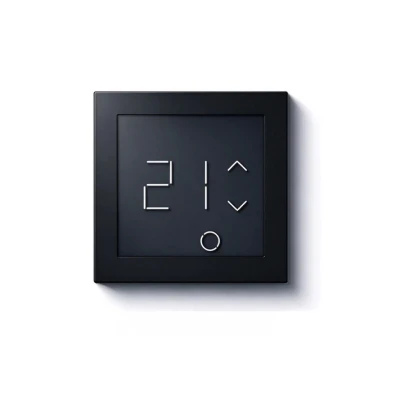
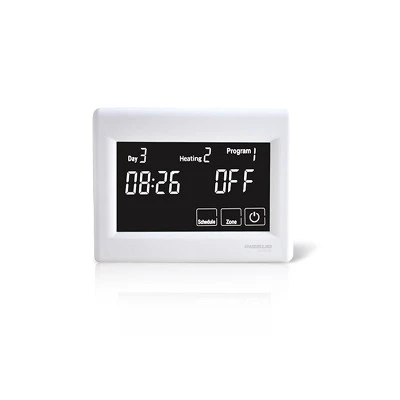
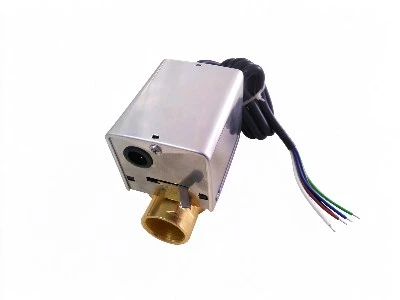
Electrothermal Actuator: An electrothermal actuator consists of three components: a temperature controller, a valve actuator, and a valve.
Solenoid Valve: A solenoid valve consists of an electromagnet, a valve body, a piston, and mechanical components.
Differences in Operating Principle
Electrothermal Actuator: Its operating principle is as follows: when the indoor temperature reaches the set point on the temperature controller, a positive temperature coefficient (PTC) thermistor inside the actuator activates, heating a thermal expansion device that closes the valve. If the indoor temperature drops, the temperature controller cuts off power; the actuator cools down, the expansion device contracts, and the valve opens.
Solenoid Valve: Its operating principle involves controlling the movement of the valve body to open or close specific fluid ports. This directs hydraulic fluid into different channels, using fluid pressure to drive the piston within a hydraulic cylinder.
Differences in Application
Electrothermal Actuator: Electrothermal actuators are primarily used for temperature control and individual room temperature regulation in heating systems and central air conditioning for residential buildings, shopping malls, and hotels.
Solenoid Valve: Solenoid valves are primarily used in industrial control and other industrial sectors.